


Friends of GHNPCA
A global community committed to conserving one of India’s most remarkable natural landscapes—recognized as a UNESCO World Heritage Site (2014) for its outstanding biodiversity.
A Voice from the Journey
Payson R. Stevens, a Prominent Friend of GHNP
23rd June 2014.
“I want to let you know, with profound and quiet appreciation, that the Great Himalayan National Park (GHNP) was inscribed yesterday as a UNESCO World Heritage Site (WHS) in Doha. This is another wonderful phase of my 14-year association with GHNP as a trekker (1,500 km), advisor, and lover of this truly unique environment in India and our planet.
A very small informal group, Friends of GHNP, played a crucial role in making this happen, along with a handful of dedicated Indian scientists and government officials who understand the importance of GHNP: a place protecting the Western Himalayas by Indian environmental law and now internationally recognized as a World Heritage Site committed to conserve the unique biodiversity of the Western Himalayas.”


About Payson R. Stevens
Payson R. Stevens divides his time painting / writing / film-making in the studios in Del Mar, California
http://www.energylandscapes.com and a remote part of the Indian Himalayas (Kullu Valley) where he lives with his wife, the writer Kamla K. Kapoor
Our Journey Since 2000
1
Building the Identity of GHNPCA

Introduced Juju Rana (Western Tragopan) as the iconic symbol of the Park.

Developed the Park’s identity, logo, and communication materials.
2
Education and Awareness (2000–2006)

Posters

Brochures

Booklets
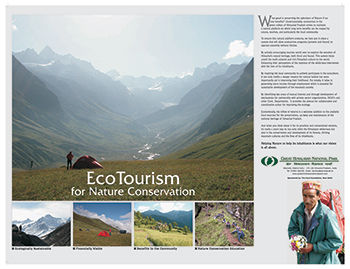
Ecotourism Brochure
Designed and produced educational materials, including booklets, posters, and brochures - covering key themes such as birds, wildlife, and ecotourism, thereby strengthening early conservation literacy in the ecozone.
3
Communication, Media and Digital Outreach

Website (2001): Developed the first and most comprehensive digital platform on GHNPCA (Extensively upgraded during the UNESCO nomination process in 2012)

Denial and Amilie from France volunteered to make Documentary Film (2005): “GHNP: Voices & Choices” the first documentary capturing the Park’s biodiversity and community relationships

Kala Jatha / Street Theatre (2001–2006): Initiated innovative outreach through local theatre, taking conservation and social messages directly to ecozone villages
4
Community-Based Ecotourism (Men’s Training)

Ecotourism training to the villagers

Foreign visitors (USA) guided by the Ecotourism Group

A camp site

Community Training and Tourist Center, Sai Ropa
Pioneered training programmes for local youth in community-based ecotourism, building nature guiding and interpretation skills while promoting sustainable tourism and equitable benefits for local communities through partnerships with NGOs and tour operators.
5
Women’s Empowerment and Livelihoods

Supported the formation of Women Saving and Credit Groups (WSCGs), empowering women through collective action and financial inclusion

Promoted alternative livelihoods through vermicomposting, apricot oil production, and ecotourism services

Strengthened product development and market linkages, reducing dependence on forest resources such as grazing and herb extraction
6
Community Well-Being Initiatives

Organized Health Melas, surveys, and training programmes

Used Kala Jatha groups to promote public health, conservation, and women and child welfare

Integrated traditional songs, folklore, and dance into community outreach
Our Journey Since 2000
1
Building the Identity of GHNPCA
Introduced Juju Rana (Western Tragopan) as the iconic symbol of the Park.
Developed the Park’s identity, logo, and communication materials.
2
Education and Awareness (2000–2006)
Posters
Brochures
Booklets
Ecotourism Brochure
Designed and produced educational materials, including booklets, posters, and brochures - covering key themes such as birds, wildlife, and ecotourism, thereby strengthening early conservation literacy in the ecozone.
3
Communication, Media and Digital Outreach

Website (2001)
Developed the first and most comprehensive digital platform on GHNPCA (Extensively upgraded during the UNESCO nomination process in 2012)

Denial and Amilie from France volunteered to make Documentary Film (2005)
“GHNP: Voices & Choices” the first documentary capturing the Park’s biodiversity and community relationships
Kala Jatha / Street Theatre (2001–2006)
Initiated innovative outreach through local theatre, taking conservation and social messages directly to ecozone villages
5
Women’s Empowerment and Livelihoods
Supported the formation of Women Saving and Credit Groups (WSCGs), empowering women through collective action and financial inclusion
Promoted alternative livelihoods through vermicomposting, apricot oil production, and ecotourism services
Strengthened product development and market linkages, reducing dependence on forest resources such as grazing and herb extraction
6
Community Well-Being Initiatives

Organized Health Melas, surveys, and training programmes

Used Kala Jatha groups to promote public health, conservation, and women and child welfare
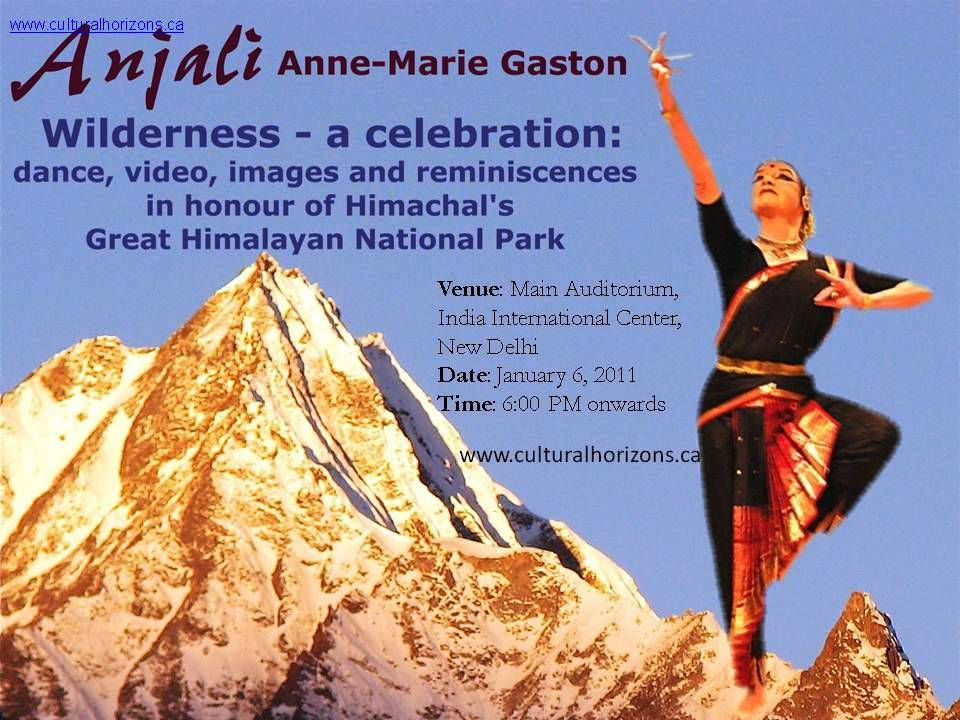
Integrated traditional songs, folklore, and dance into community outreach
4
Community-Based Ecotourism (Men’s Training)
Ecotourism training to the villagers
Foreign visitors (USA) guided by the Ecotourism Group
A camp site
Community Training and Tourist Center, Sai Ropa
Pioneered training programmes for local youth in community-based ecotourism, building nature guiding and interpretation skills while promoting sustainable tourism and equitable benefits for local communities through partnerships with NGOs and tour operators.
1
Building the Identity of GHNPCA
Introduced Juju Rana (Western Tragopan) as the iconic symbol of the Park.
Developed the Park’s identity, logo, and communication materials.
2
Education and Awareness (2000–2006)
Posters
Brochures
Booklets
Ecotourism Brochure
Designed and produced educational materials, including booklets, posters, and brochures - covering key themes such as birds, wildlife, and ecotourism, thereby strengthening early conservation literacy in the ecozone.
3
Communication, Media and Digital Outreach

Developed the first and most comprehensive digital platform on GHNPCA (Extensively upgraded during the UNESCO nomination process in 2012)
“GHNP: Voices & Choices” the first documentary capturing the Park’s biodiversity and community relationships
Initiated innovative outreach through local theatre, taking conservation and social messages directly to ecozone villages
4
Community-Based Ecotourism (Men’s Training)
Ecotourism training to the villagers
Foreign visitors (USA) guided by the Ecotourism Group
A camp site
Community Training and Tourist Center, Sai Ropa
5
Women’s Empowerment and Livelihoods
Supported the formation of Women Saving and Credit Groups (WSCGs), empowering women through collective action and financial inclusion
Promoted alternative livelihoods through vermicomposting, apricot oil production, and ecotourism services
Strengthened product development and market linkages, reducing dependence on forest resources such as grazing and herb extraction
6
Community Well-Being Initiatives

Organized Health Melas, surveys, and training programmes

Used Kala Jatha groups to promote public health, conservation, and women and child welfare
Integrated traditional songs, folklore, and dance into community outreach
A Landmark Contribution
GHNPCA inscribed as a UNESCO World Heritage Site
FoGHNPCA played a central role in securing UNESCO World Heritage status (2014) for GHNPCA.
2008 - 2013, How it happened
A small FoGHNPCA team:
-
Prepared the nomination dossier
-
Coordinated technical inputs and documentation
-
Led extensive engagement with UNESCO
This recognition placed GHNPCA on the global conservation map.
Why it matters today
The World Heritage designation has increased global visibility and tourism. While this creates new opportunities, it also brings challenges:
-
Pressure on fragile ecosystems
-
Need for sustainable tourism models
-
Greater demand for scientific and community-based management
FoGHNPCA's ongoing role
FoGHNPCA continues to play a vital role in ensuring that conservation remains central to GHNPCA’s future.
-
Keeping conservation central as demand grows
-
Bridging communities, science, and policy
-
Protecting what earned the designation in the first place
Building Partnerships
FoGHNPCA is exploring collaborations with established international and national environmental organizations with a presence in India.


Building on nearly two decades of credibility, knowledge assets, and a strong identity, FoGHNPCA seeks to evolve into a more structured and impactful platform—while retaining its spirit as a “friend” of the Conservation Area.
Strategic Partnership: FoGHNPCA & IRALE (2025)
In 2025, FoGHNPCA entered into a formal partnership with the Indian Regional Association for Landscape Ecology (IRALE).
A significant step toward institutional strengthening and long-term impact.
Purpose
The partnership provides a formal institutional framework for FoGHNPCA and enables joint work in:
-
Research and monitoring
-
Training and capacity building
-
Policy advocacy
-
Community-led conservation
Joint Mission
To protect, expand, and sustainably manage GHNPCA and the wider Himalayan landscape through science, community stewardship, and policy engagement.
-
FoGHNPCA: grassroots engagement, outreach, citizen science
-
IRALE: institutional, legal, research, and training support
Key Strategic Priorities
-
Expanding the Greater GHNPCA Landscape
-
Strengthening biodiversity research and climate resilience
-
Empowering local communities and livelihoods
-
Advancing conservation policy and partnerships
-
Enhancing education, outreach, and digital platforms
-
Mobilizing long-term financial and institutional support
Governance Framework
-
Joint Core Committee (JCC) for implementation
-
Joint Advisory Committee (JAC) for strategic guidance
-
Transparent financial and administrative systems under IRALE
The Road Ahead
FoGHNPCA now stands at an important transition point.
Building on over two decades of experience, it aims to evolve into:
-
A global knowledge platform on GHNPCA
-
A credible conservation advocate
-
A bridge between communities, science, and policy
Through partnerships with organizations such as IRALE, and engagement with national and international institutions, FoGHNPCA seeks to advance a landscape-level conservation model for the Himalayas.
About FoGHNPCA
Friends of GHNPCA (FoGHNPCA) is a voluntary network founded in 2000 by Sanjeeva Pandey and Payson R. Stevens. It brings together individuals from India and across the world who share a commitment to conservation, community engagement, and sustainable development in the Great Himalayan National Park Conservation Area (GHNPCA).
FoGHNPCA works at the interface of
Conservation
and biodiversity protection
Community livelihoods and participation
Knowledge, communication, and outreach

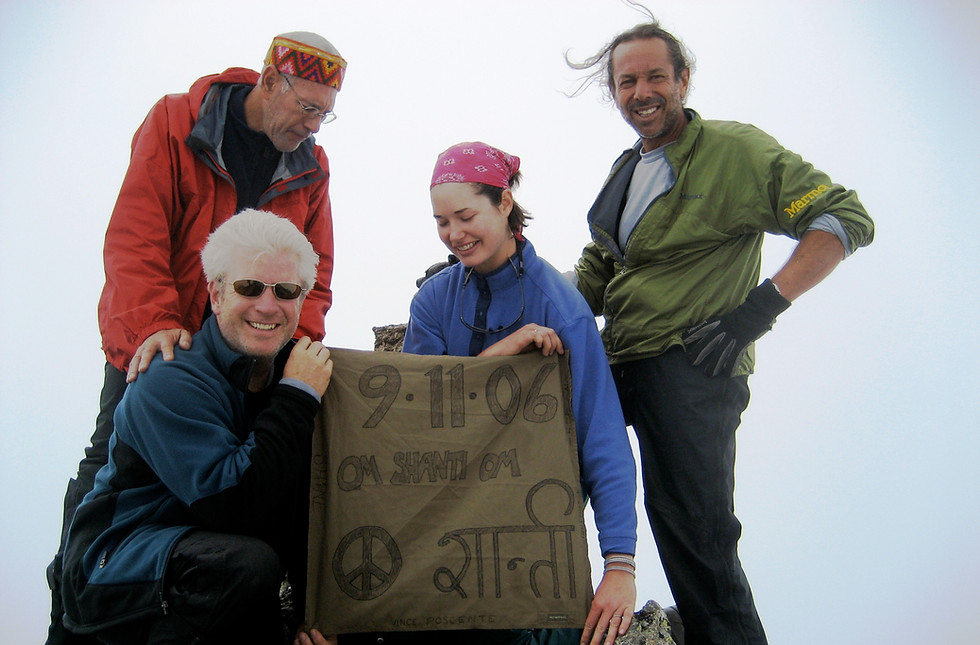
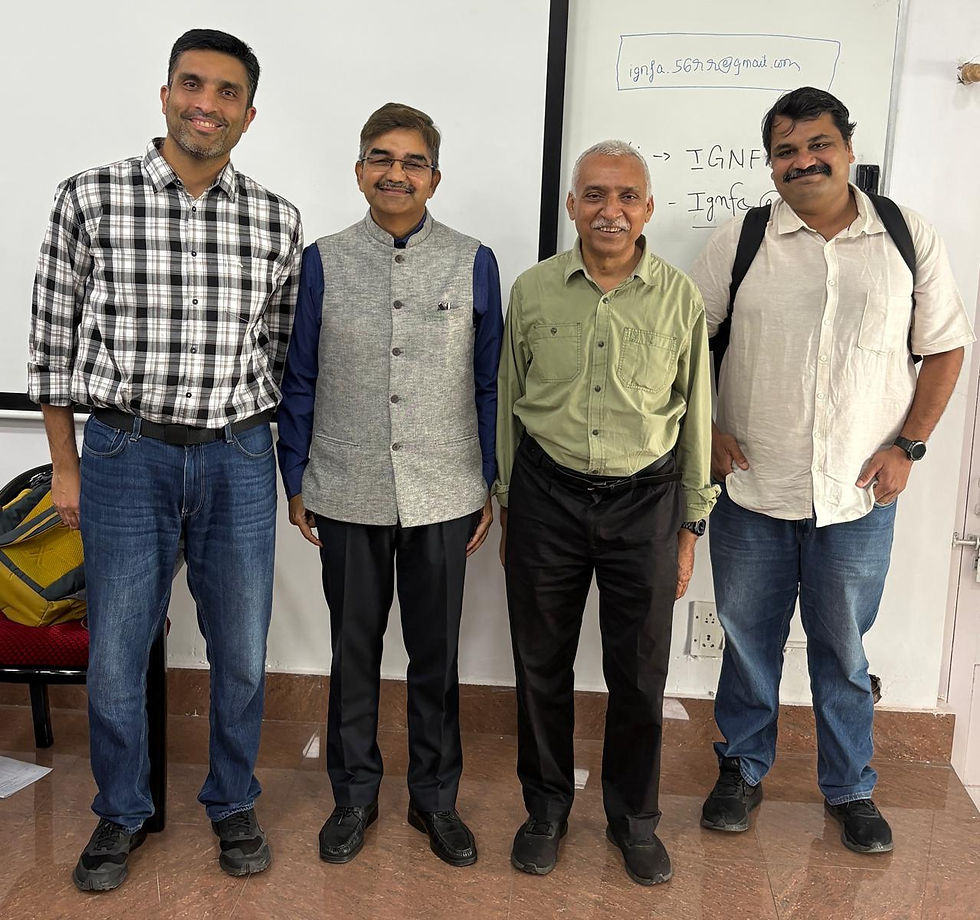
Sanjeeva Pandey and Payson Stevens


_JPG.jpg)





.jpeg)
.jpeg)

.jpg)
From grassroots action to global recognition—Friends of GHNPCA continues to stand for conservation, community, and the future of the Himalayas.